Which terpenes actually boost focus and creativity? A science-based guide to choosing cannabis for energy — with specific varietals from Vermont's sun-grown flower.
Why THC Percentage Won't Tell You Much
Most guides to "energizing cannabis" hand you a list of varietal names and call it a day. The problem is that the same varietal grown by two different farms can produce completely different experiences — and the THC percentage on the label tells you almost nothing about whether you'll feel focused or foggy.
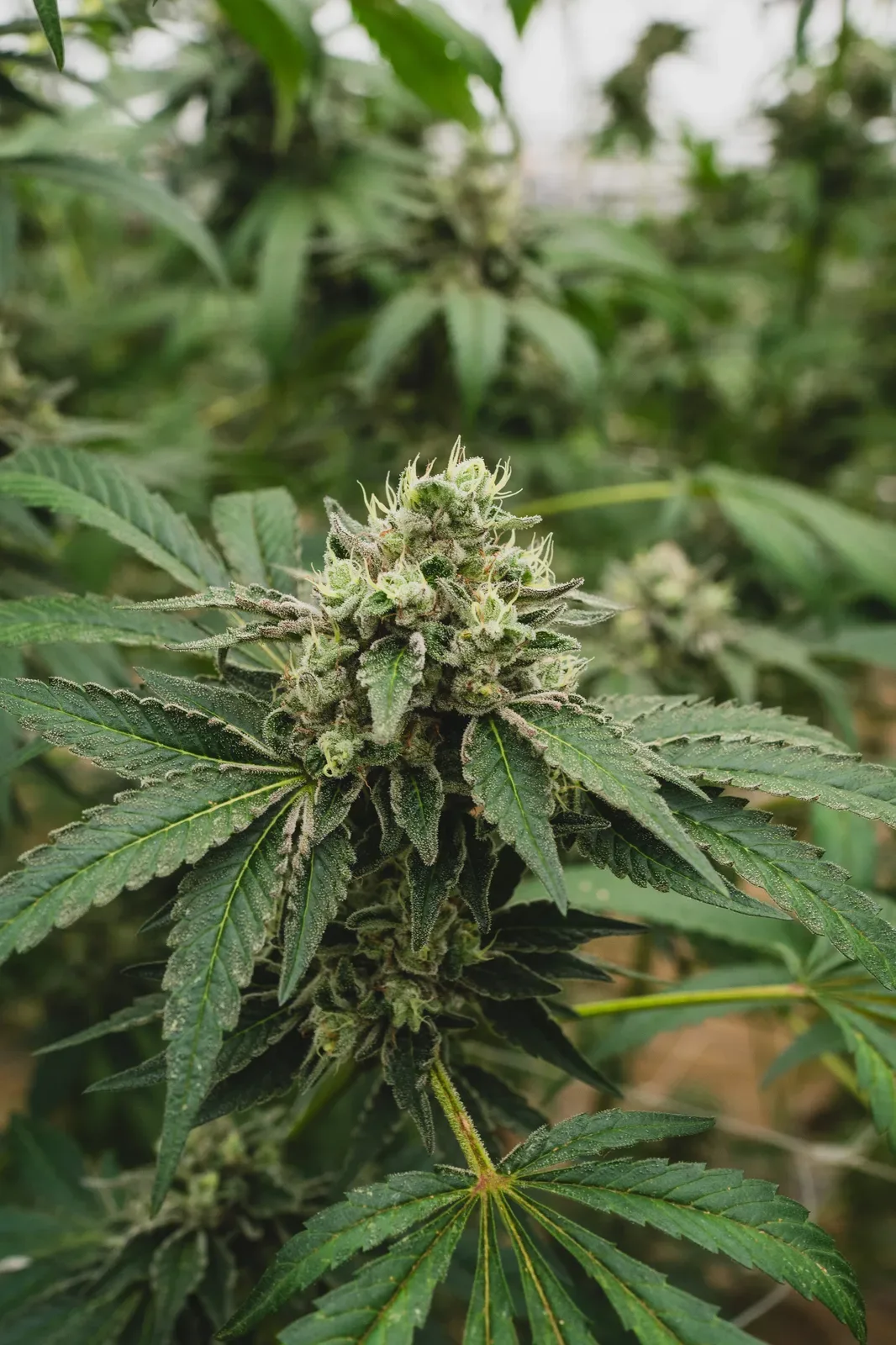
The compounds that actually shape whether cannabis makes you alert or anchors you to the couch are terpenes — aromatic molecules produced in the same resin glands as cannabinoids. They're what you smell when you open a jar, and emerging research suggests they interact with your brain's neurotransmitter systems in ways that meaningfully influence the experience.
This guide skips the generic varietal recommendations. Instead, we'll walk through the specific terpenes associated with energy, focus, and creativity — what the science says, what to look for on a label, and which Sunkissed Farm varietals express these profiles in Vermont sun-grown flower.
If you're new to terpenes entirely, our guide to reading cannabis labels covers where to find terpene data on Vermont packaging.
Which Terpenes Boost Energy and Focus?
Three terpenes appear most consistently in research and consumer reports as contributors to alert, focused, and creative cannabis experiences: limonene, alpha-pinene, and terpinolene. Each works through a different mechanism, and they tend to be most effective in combination — what researchers call the entourage effect.
Limonene is the citrus terpene — the same compound that gives lemons their sharp, bright scent. When you open a jar and the first thing you notice is citrus, limonene is likely dominant. Research published in Molecules (2020) found that limonene interacts with serotonin and dopamine receptors, two neurotransmitter systems directly involved in mood regulation, motivation, and attention. Cannabis consumers consistently describe limonene-rich varietals as uplifting and mood-elevating without the jittery edge of caffeine.
A 2024 clinical study published in Drug and Alcohol Dependence found that vaporized d-limonene selectively reduced THC-induced anxiety in healthy adults without diminishing THC's positive effects. That's a meaningful finding — it suggests limonene doesn't just add a pleasant scent but actively modulates how THC affects your mental state.
Alpha-pinene — the terpene that smells like a walk through Vermont's evergreen forests — works through a completely different pathway. Published research in Evidence-Based Complementary and Alternative Medicine (2017) demonstrated that alpha-pinene inhibits acetylcholinesterase, an enzyme that breaks down acetylcholine. Acetylcholine is the neurotransmitter your brain uses for attention, memory formation, and learning. By slowing its breakdown, pinene helps maintain the mental clarity that THC alone can sometimes blur.
This is the same mechanism used by pharmaceutical cognitive enhancers prescribed for dementia — though at much lower concentrations in cannabis flower. In mouse models, alpha-pinene administration improved performance on spatial memory and focus tests. For cannabis consumers, pinene-rich varietals tend to produce a clear-headed quality that experienced users describe as alert without feeling wired.
Terpinolene is the most nuanced of the three. Isolated in a lab, it actually produced sedative effects in mice in a 2013 study. But in cannabis — where it works alongside other terpenes, THC, and minor cannabinoids — terpinolene-dominant varietals are consistently reported as energizing and creativity-enhancing. This apparent contradiction is one of the clearest demonstrations of the entourage effect in action. When terpinolene combines with pinene and limonene, the result tends toward bright, alert cerebral effects rather than sedation.
The Terpene You Want Less Of
Understanding energizing terpenes is only half the equation. Equally important is recognizing myrcene — the most abundant terpene in cannabis and the primary driver of sedation.
Myrcene is the earthy, musky compound also found in hops and lemongrass. Research published in Nutrients (2021) noted that cannabis with myrcene concentrations above 0.5% is more likely to produce sedative, body-heavy effects — what experienced consumers call "couch lock." Myrcene may also increase THC's ability to cross the blood-brain barrier, amplifying the intensity of the experience.
None of this makes myrcene bad. For sleep, pain relief, and deep relaxation, it's exactly what you want — and our guide to cannabis and sleep covers that in detail. But if your goal is energy, focus, or creative flow, you're looking for varietals where limonene, pinene, or terpinolene lead the terpene profile and myrcene stays in the background.
Best Cannabis for Focus and Productivity
Let's get specific. At Sunkissed Farm, every varietal is bred in-house and grown from seed in living soil on our Windsor farm. Full-spectrum Vermont sunlight — including the UV wavelengths that indoor grow lights can't replicate — drives terpene production in ways that directly affect flavor and effect profiles.
Here's how our current catalog maps to the terpene science:
For sharp, sustained focus: Laced Cookies is a sativa-dominant varietal with an earthy profile accented by pine, lemon, and a hint of fuel. The experience is described as mild, active, focused, and daytime-ready. That pine-and-citrus nose points to a pinene-limonene combination — the exact pairing that research suggests supports cognitive clarity and mood elevation simultaneously.
For creative energy and flow: Tropical Smoothie is a true sativa with a flavor profile of mango, pineapple, lemon, and pine. The experience is genuinely energizing and creative — it brings a bright, uplifting quality that sparks ideas without the scattered feeling of over-caffeination. This is the varietal to reach for when you want momentum.
For clear-headed alertness: Lemon Heads is a sativa-dominant varietal with a bold citrus nose backed by gas and a touch of skunk. The effects sharpen focus and energize the mind. That bright citrus aroma tells you limonene is doing the heavy lifting here.
For calm creativity: Sourdough is a sativa-dominant varietal with a bold flavor of sour and fuel, softened by hints of pine. The experience is mellow and focused — it brightens the mood without overwhelming the senses. Sourdough is for the person who wants creative engagement without intensity, encouraging what we'd call quiet productivity.
Sativa vs Indica for Creativity: What Actually Matters
You'll still see "sativa for energy, indica for sleep" in most dispensary guides. It's a useful shorthand, but it's also incomplete. The terms sativa and indica originally described plant morphology — how the plant grows — not how it makes you feel. A tall, narrow-leafed sativa can produce deeply sedating effects if its terpene profile is myrcene-dominant.
What actually predicts your experience is the chemical profile: which terpenes are present, in what ratios, alongside which cannabinoids. An indica-dominant varietal like Coconut Cherry Gelato, for example, produces a chill, social, giggly experience — not the heavy sedation you might expect from the indica label — because its terpene profile leans sweet and creamy rather than earthy and musky.
The practical takeaway: ask your budtender about the terpene profile, not just the sativa/indica classification. Or better yet, learn to read the label yourself. Vermont requires terpene testing on cannabis products, and that data is more predictive than any category label.
How Sun-Grown Cannabis Develops Richer Terpene Profiles
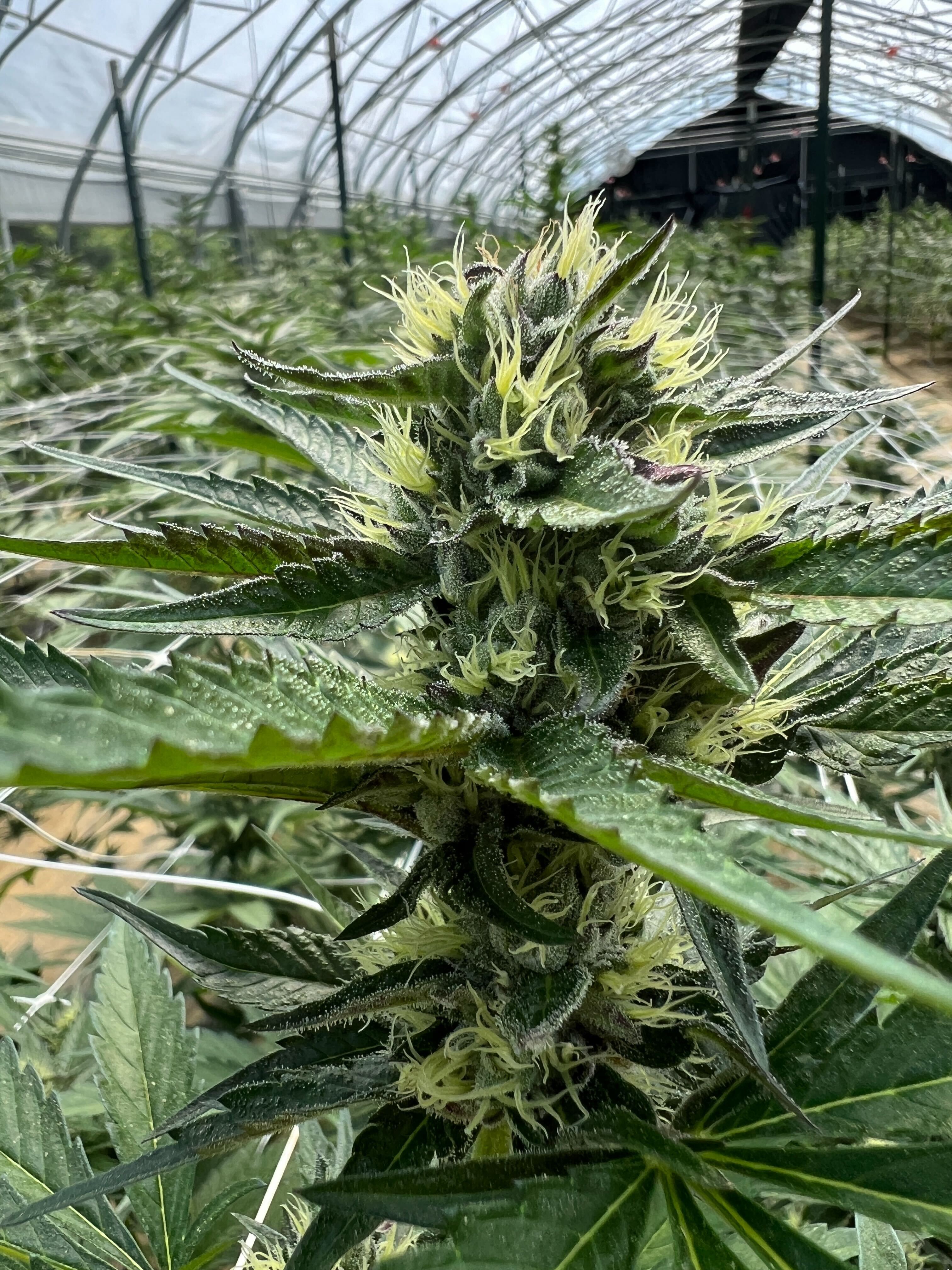
There's a reason we emphasize the connection between terpenes and growing method. Research from Columbia University published in Molecules (2023) found that sun-grown cannabis produces more diverse and concentrated terpene profiles compared to indoor-grown flower. The mechanism is straightforward: terpenes are part of the plant's natural defense system. Full-spectrum sunlight — particularly UV-B radiation — triggers greater terpene production as the plant protects itself from solar stress.
On our 29 acres along the Connecticut River floodplain in Windsor, every plant grows in living soil under the full Vermont sun. The temperature swings between warm days and cool Green Mountain nights further stress the plants in productive ways, encouraging the complex terpene expression that shapes Vermont's distinctive cannabis terroir.
This matters for the energy-and-focus conversation because terpene concentration directly determines how pronounced those effects will be. A limonene-dominant varietal grown under full-spectrum sunlight will typically express a stronger, more complex citrus profile — and more noticeable mood-elevating effects — than the same genetics grown under artificial light.
Practical Tips for Choosing Energizing Cannabis
Check the terpene profile first. Look for limonene, alpha-pinene, or terpinolene as the lead terpene. If myrcene tops the list, expect a more relaxing experience regardless of what the label says.
Start low. The relationship between cannabis and focus is dose-dependent. Low to moderate doses tend to support alertness and creativity. Higher doses — especially of THC — tend to produce sedation and mental fog regardless of the terpene profile. If you're new to cannabis, our beginners guide covers dosing fundamentals.
Time it right. Most people find energizing varietals work best earlier in the day. Evening use of stimulating terpene profiles can interfere with sleep — which is why the terpenes best for sleep are a completely different set.
Consume mindfully. Inhalation (smoking or vaping) delivers terpenes most efficiently because the compounds enter your bloodstream directly through the lungs. Edibles process through the liver, which transforms the cannabinoids and largely destroys the terpenes. If terpene effects matter to your experience — and they should — flower or vaporization is the more reliable delivery method.
Ask your budtender. At Sunkissed Farm's dispensary in Woodstock, every jar is available to smell before you buy. Your nose is a remarkably good terpene detector. If it smells bright, citrusy, or piney, you're likely looking at an energizing profile. If it smells earthy, musky, or heavy, expect relaxation.
The Honest Limitations
We should be direct about what the research does and doesn't support. The terpene studies cited here are promising, but most are preclinical — conducted in animal models or cell cultures, not large-scale human trials. The clinical limonene study from 2024 is an important step, but it's one study with 20 participants.
Cannabis affects everyone differently. Your endocannabinoid system, tolerance, metabolism, mood, and environment all influence the experience. Terpene profiles give you a better framework for choosing than THC percentage or sativa/indica labels alone — but they're not a guarantee.
The best approach is informed experimentation. Know what to look for, start with modest amounts, pay attention to how different profiles affect you personally, and build your preferences from there. That's what the terpene section on a Vermont cannabis label is actually for.
Visit Us
Sunkissed Farm's dispensary is at 4374 West Woodstock Road in Woodstock, Vermont. We're open seven days a week, and our budtenders are happy to walk you through terpene profiles and help you find a varietal that matches what you're looking for — whether that's creative energy for a weekend project or calm focus for an afternoon at the desk.
Resources
Limonene mood and neurotransmitter effects — "Biological Activities of D-Limonene," Molecules, 2020.
Myrcene sedative properties and blood-brain barrier — Surendran et al., "Myrcene — What Are the Potential Health Benefits of This Flavouring and Aroma Agent?" Nutrients, 2021.
Sun-grown cannabis and terpene diversity — Columbia University research, Molecules, 2023.
Frequently Asked Questions
What is the best terpene for energy and focus?
Alpha-pinene and limonene are the two terpenes most consistently associated with energy and focus in cannabis. Alpha-pinene inhibits acetylcholinesterase, supporting sustained attention and memory, while limonene interacts with serotonin and dopamine receptors to elevate mood and motivation. They tend to be most effective in combination with each other.
Is sativa or indica better for creativity?
Neither category reliably predicts creative effects. The terpene profile is a much better indicator than the sativa or indica classification. Cannabis with terpene profiles led by limonene, pinene, or terpinolene tends to produce the alert, imaginative headspace associated with creativity, regardless of whether the varietal is labeled sativa, indica, or hybrid.
Why does some cannabis make me tired while other types give me energy?
The primary difference is the terpene profile. Cannabis high in myrcene — an earthy, musky terpene — tends to produce sedation and body heaviness. Cannabis led by limonene, pinene, or terpinolene tends to produce alertness and mental clarity. THC dosage also matters: higher doses are more sedating regardless of terpene content.
Does THC percentage affect energy levels?
THC percentage alone is a poor predictor of whether cannabis will feel energizing or sedating. Moderate THC combined with an energizing terpene profile typically produces better focus than high THC with a sedating terpene profile. Overconsumption of any cannabis product is more likely to produce mental fog and fatigue.
What should I look for on a cannabis label if I want energy?
Look for the terpene profile section of the label. Limonene, alpha-pinene, and terpinolene as lead terpenes indicate an energizing profile. If myrcene is the dominant terpene, expect a more relaxing experience. Vermont requires terpene testing data on cannabis labels — use it as your primary guide rather than relying on varietal names or sativa/indica categories.
Can cannabis really help with productivity?
Cannabis at low to moderate doses can support certain types of productivity — particularly creative work, brainstorming, and tasks that benefit from lateral thinking. It's less effective for tasks requiring sustained analytical focus or detailed precision. The relationship is strongly dose-dependent: too much cannabis impairs focus regardless of the terpene profile. Start with a small amount and assess your response before committing to a work session.