Guided By the Land
Growing Philosophy
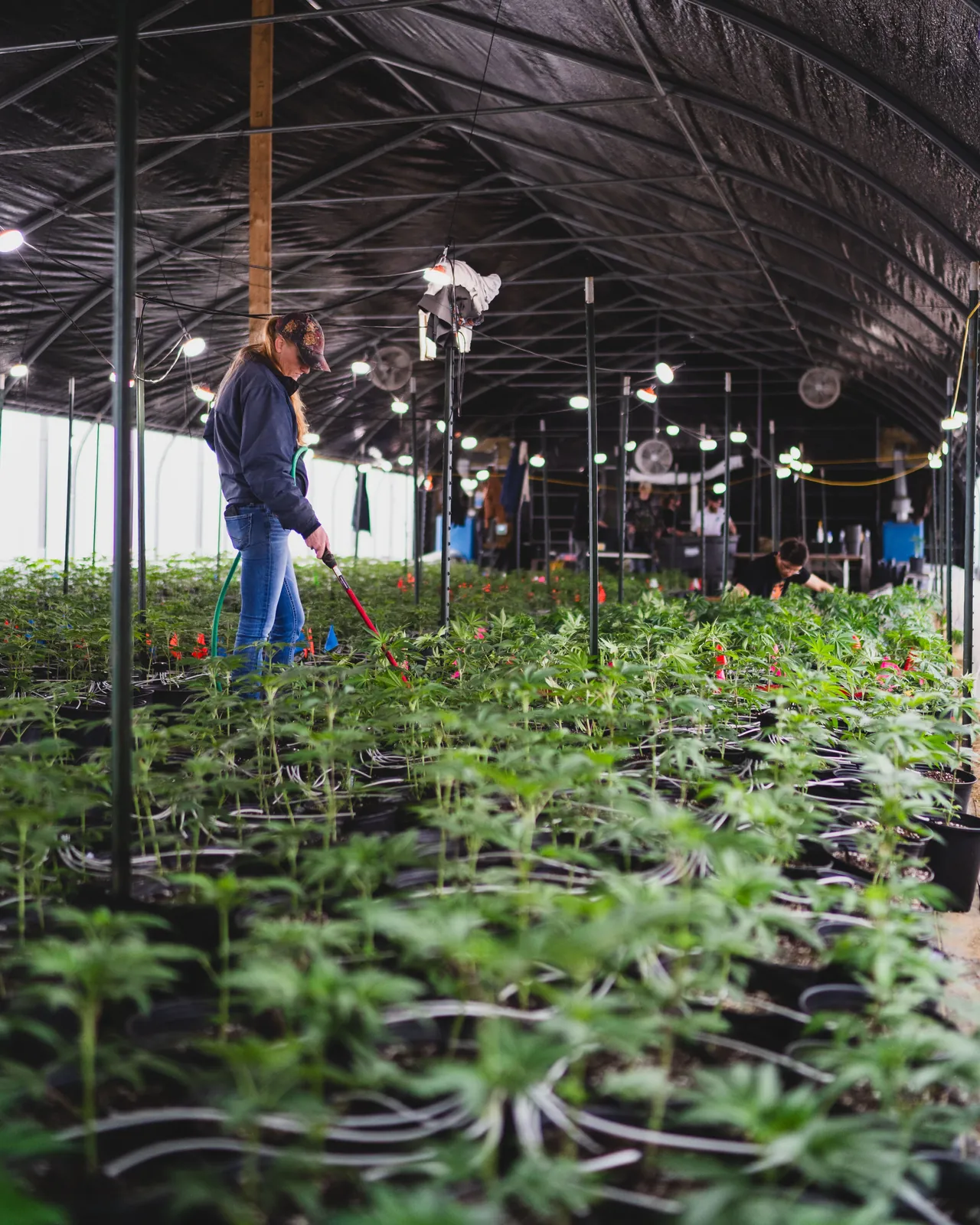
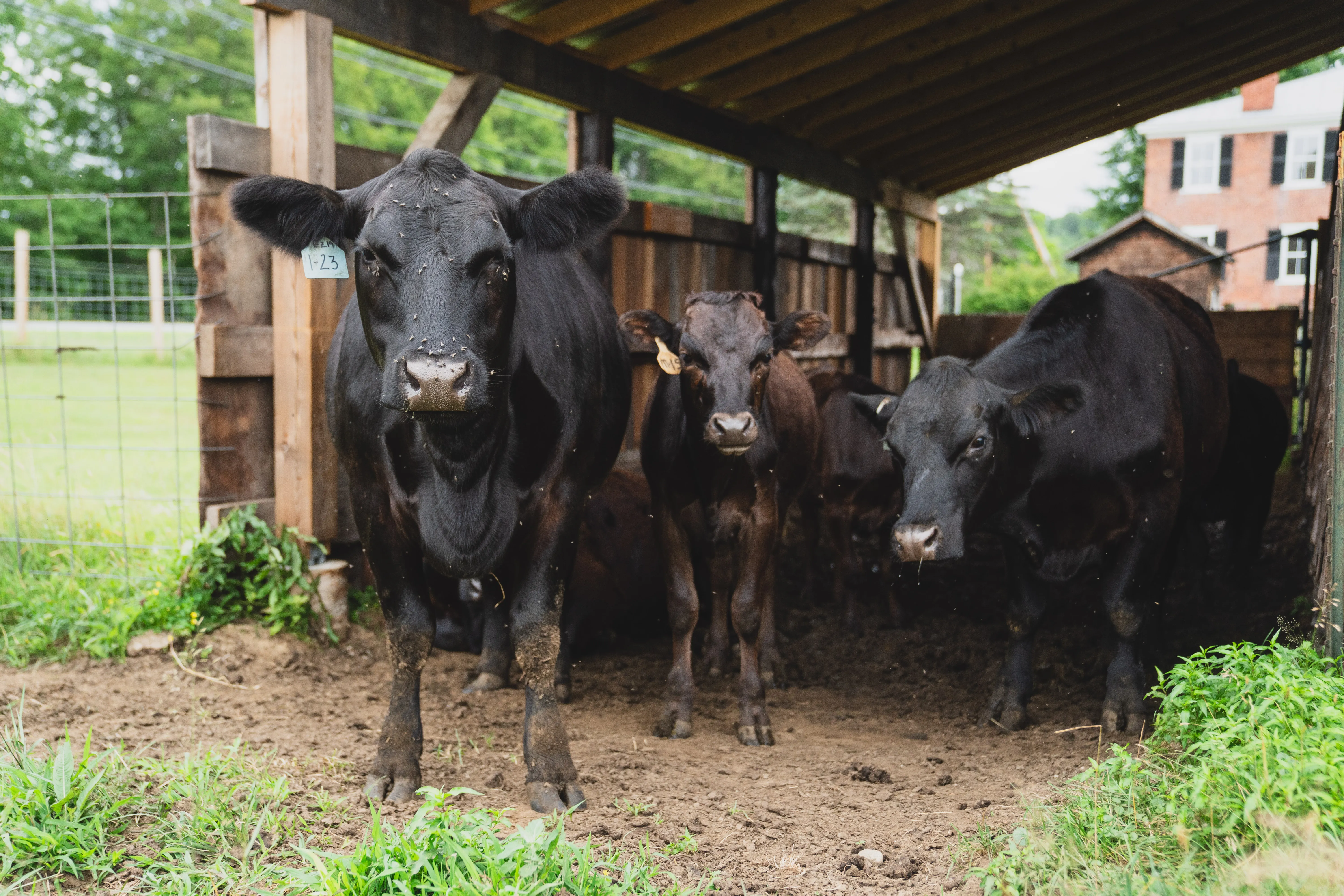
We do not grow to volume. We grow to standard. Biological pest management — ladybugs, praying mantises, lacewings, parasitic wasps — replaces synthetic inputs entirely. Our compost and tea system draws on on-site inputs, including natural contributions from the cattle that share this land. Spring water drawn from the property feeds every plant from germination through final flush. Cover cropping and companion planting maintain soil structure between harvests. The decisions are slower. The results are not.
The Closed Loop
Nothing synthetic enters this system. The cattle graze the field margins and produce the raw material for compost. The compost feeds the soil. The soil feeds the plants. Crop rotation rests each section of ground between harvests, and cover crops — primarily nitrogen-fixing clover — rebuild what each season draws down. What comes off this land goes back into it.
This is not a philosophy. It is a practice, refined over multiple seasons, measured in soil biology and plant expression rather than yield per acre.
Growing in Vermont
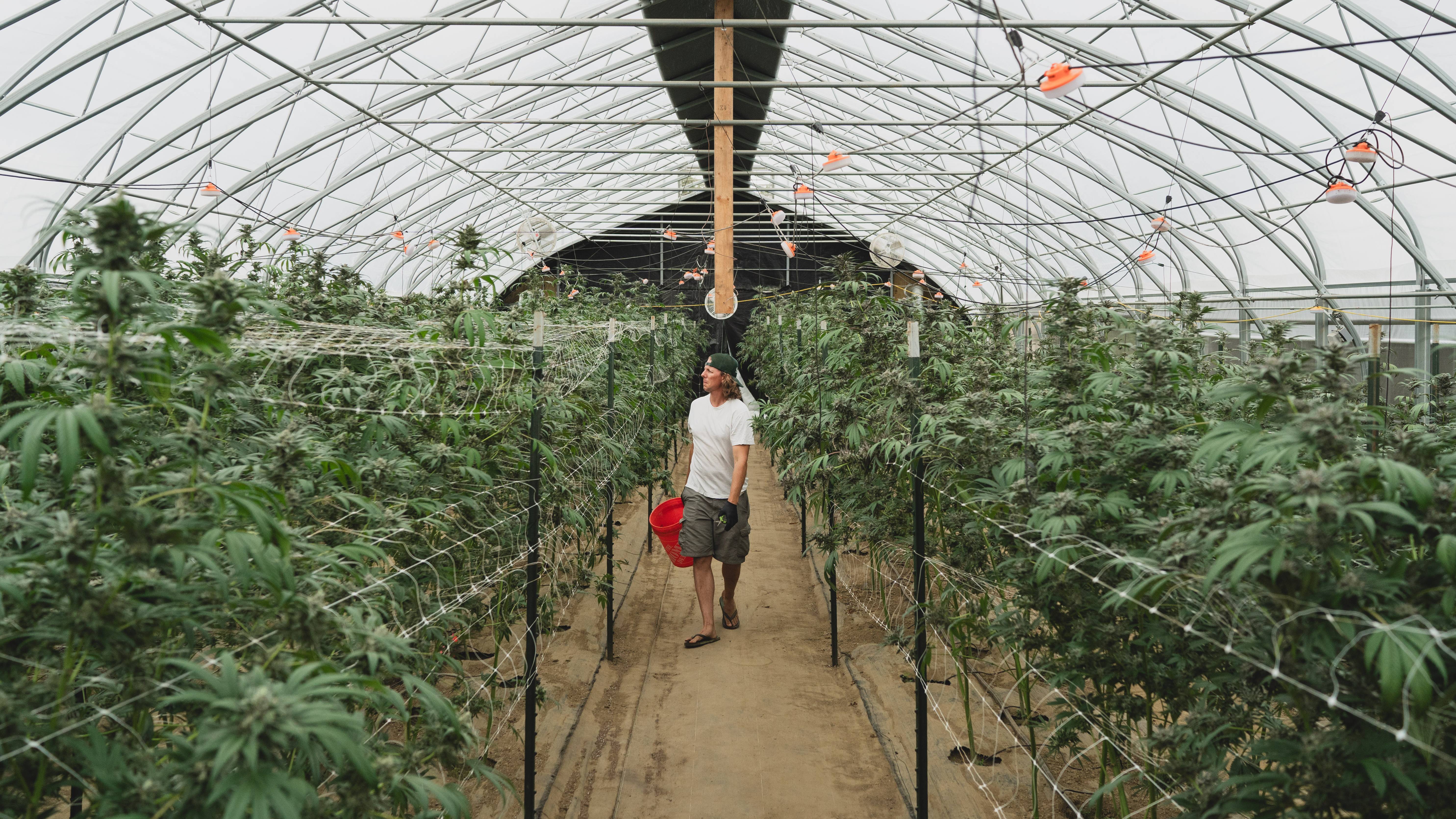
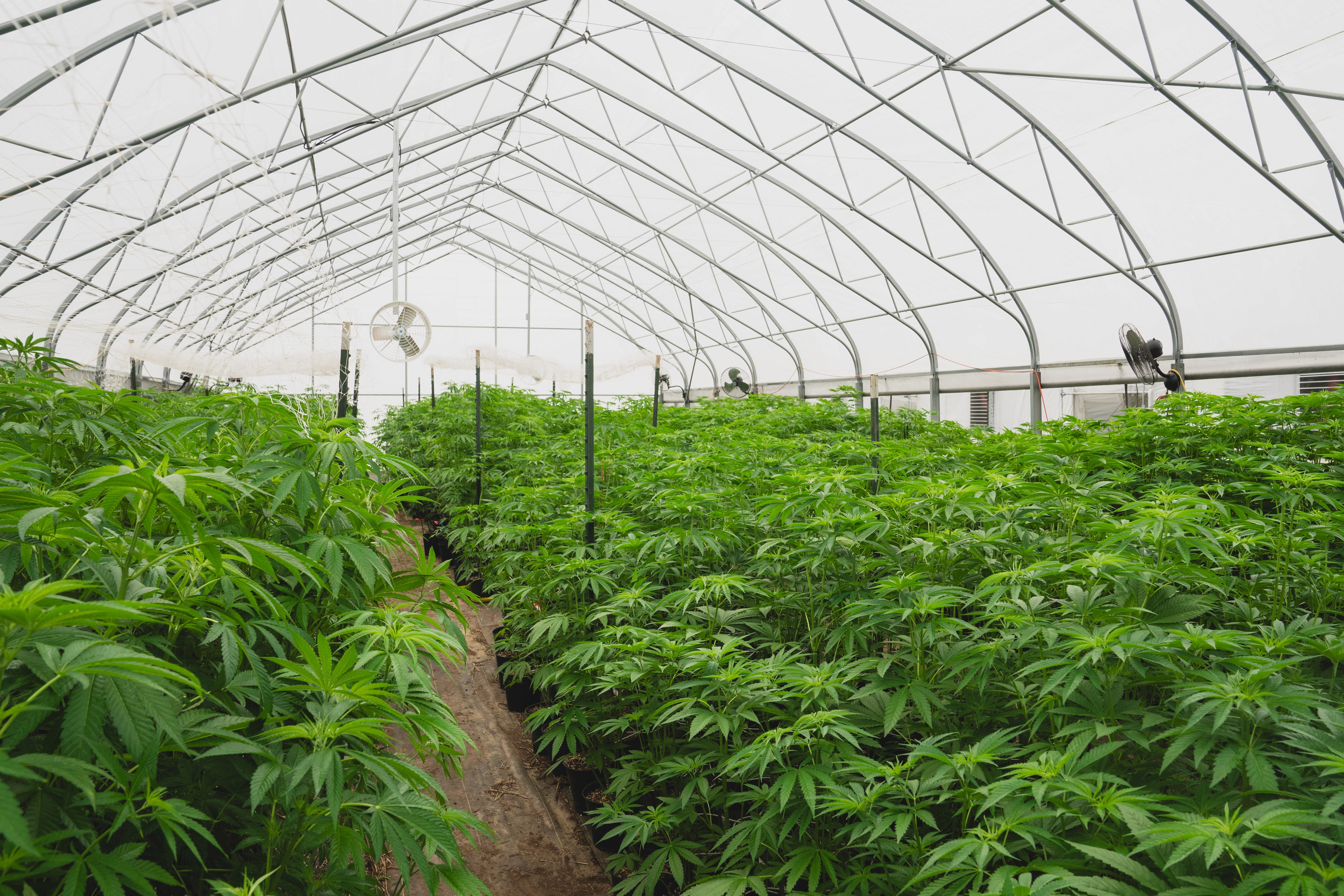
Vermont gives us a compressed window — late May through early October — and a climate that does not forgive shortcuts. Cold nights in late September swing temperatures by thirty degrees from afternoon highs. High summer humidity requires genetics with genuine mold resistance. Early frosts demand varietals that finish on time.
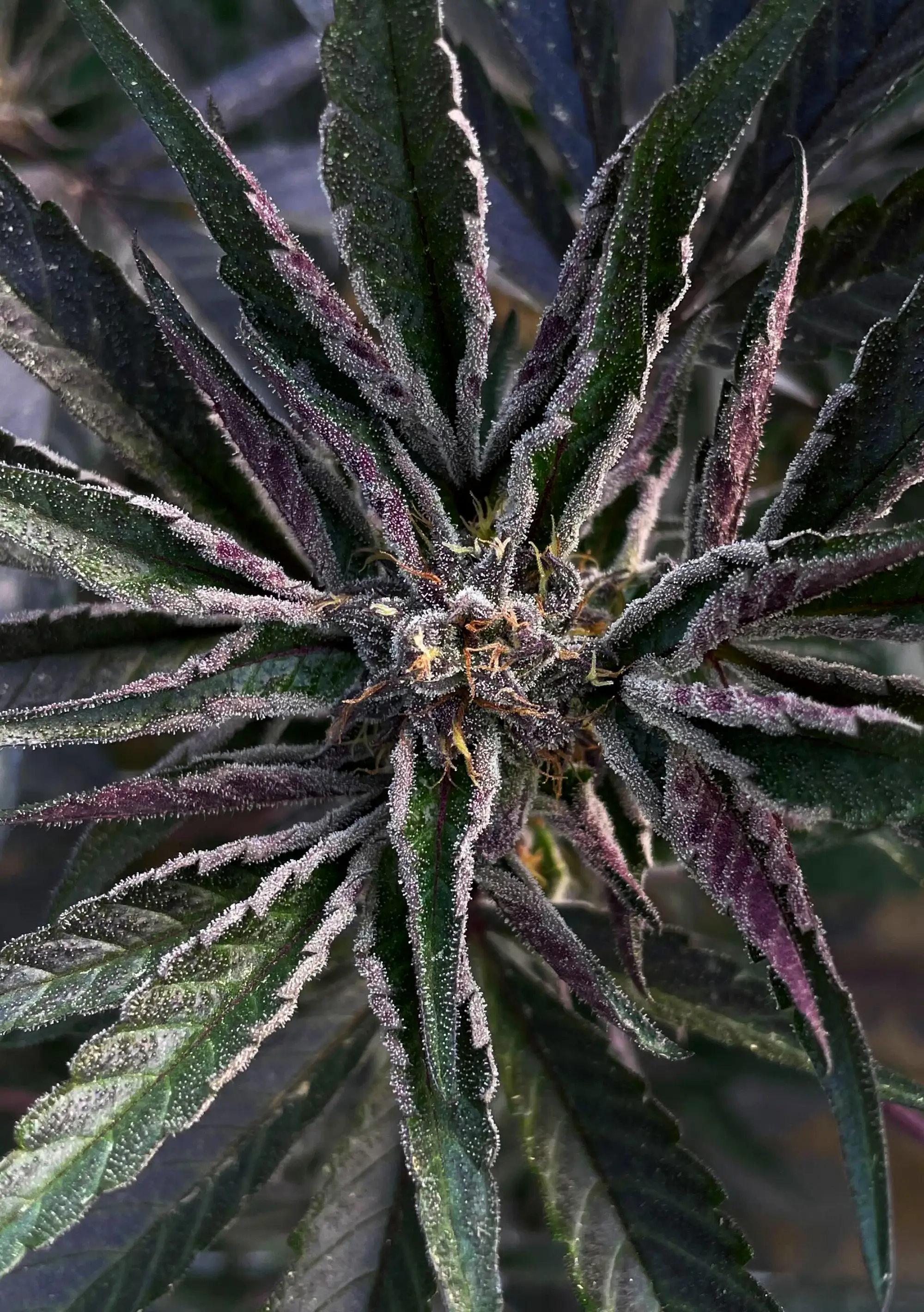
These conditions shaped every varietal in our program. The Connecticut River Valley's full-spectrum summer light, clean air, and temperature variation produce terpene expression that controlled indoor environments cannot replicate. The land does the work that controlled environments try to engineer around.

Harvest and Slow Cure
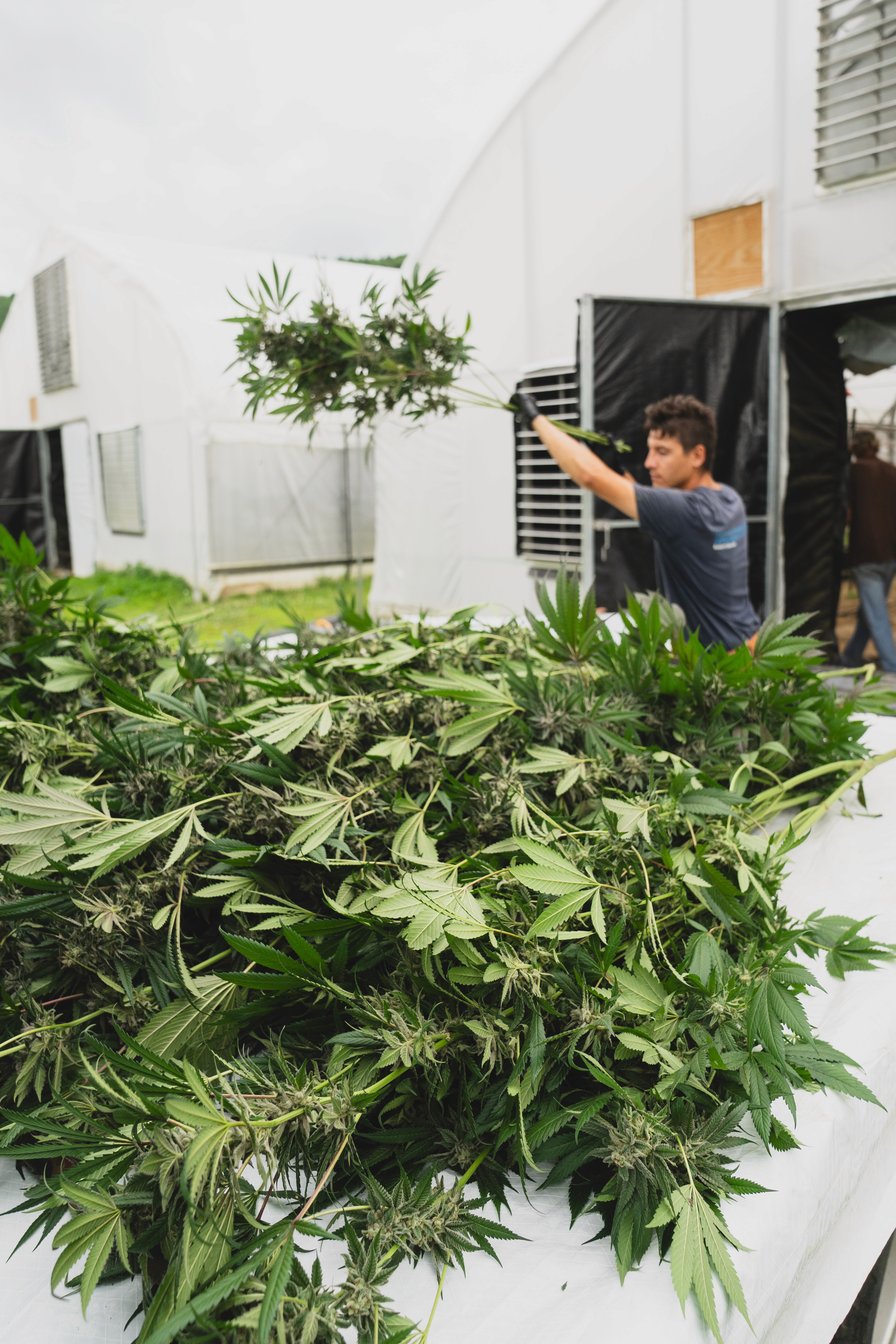
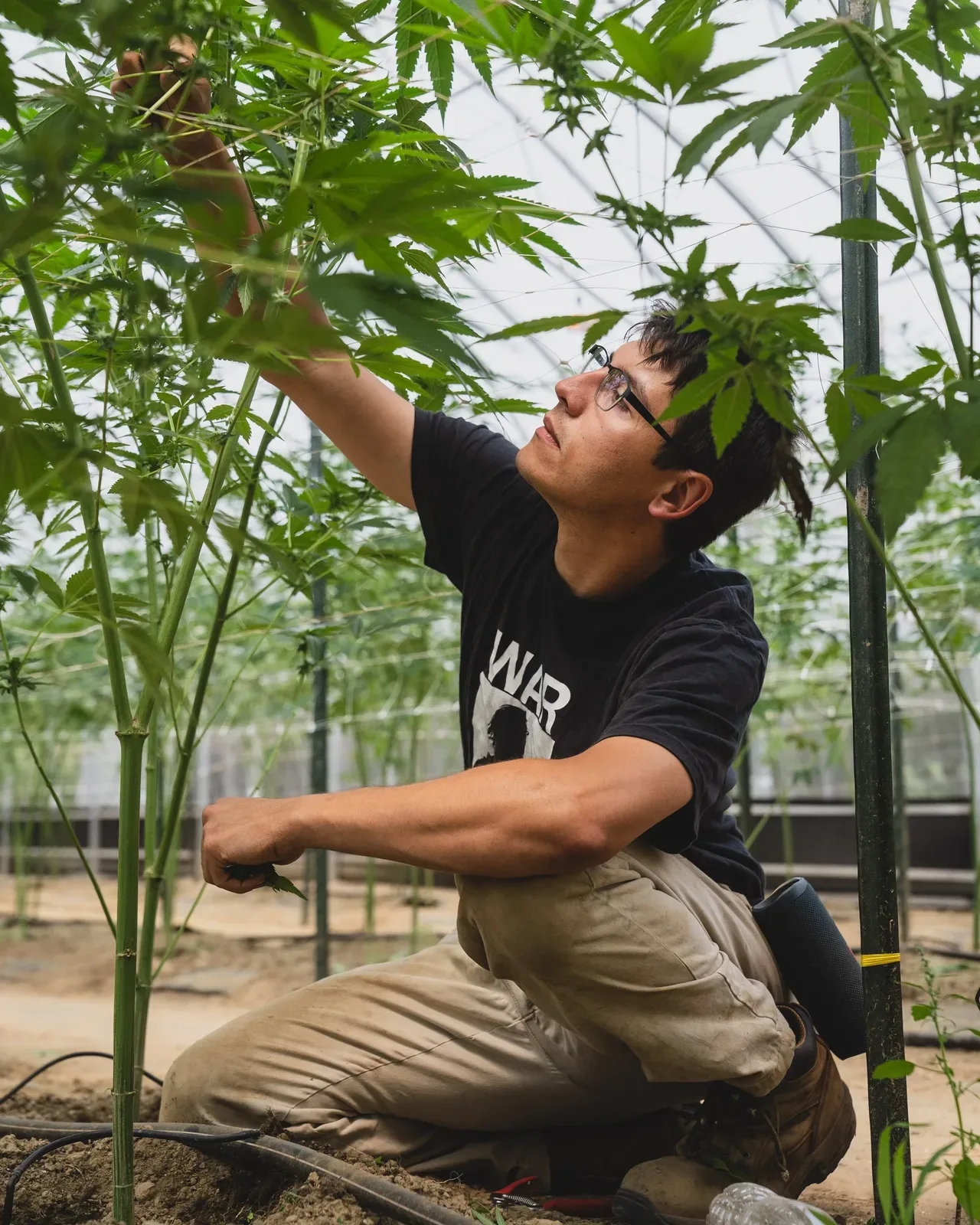
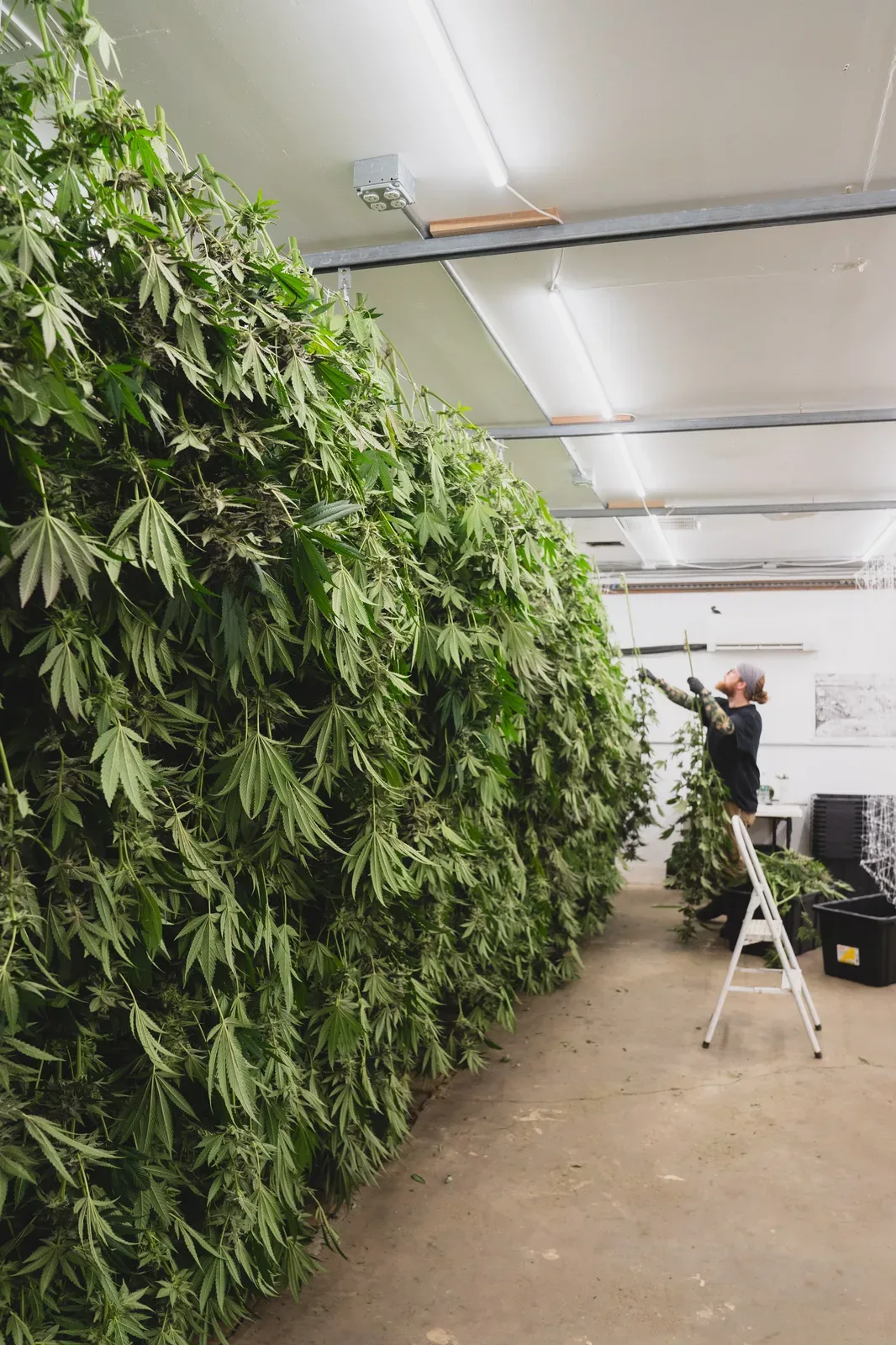
We harvest by hand, plant by plant, reading each varietal for peak terpene expression rather than running the whole crop on a fixed date. The terpene window is short — a few days, sometimes less.
After harvest, flower is slow-cured in controlled conditions for a minimum of four weeks. Done properly, curing stabilizes moisture content, preserves the terpene profile, and brings the final flavor into focus. We do not rush this.