New to cannabis? This guide covers what it is, how to use it, how much to take, and what to expect — written plainly, with no jargon and no judgment.
Maybe you've been curious for years. Maybe a friend mentioned it helps them sleep. Maybe you're visiting Vermont and thought, why not?
Whatever brought you here, welcome. This guide is for people who know little to nothing about cannabis and want to learn without feeling talked down to. No assumptions about what you already know. No pressure to try anything you're not comfortable with.
Just the basics, explained plainly.
What Cannabis Actually Is
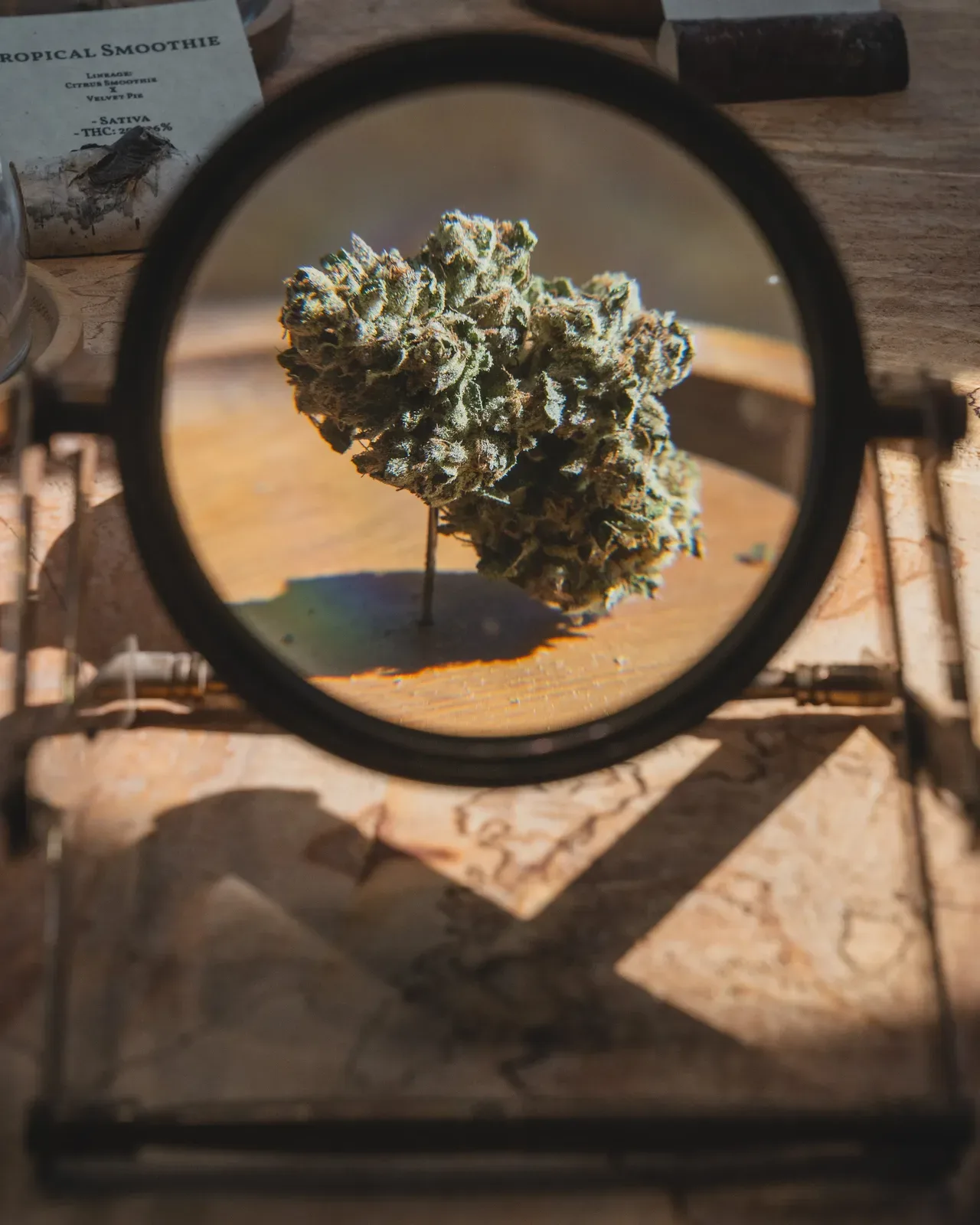
Cannabis is a flowering plant. The flowers — often called "buds" or "flower" — contain compounds that interact with your body's endocannabinoid system, producing various effects depending on the specific plant and how you consume it.
The two compounds you'll hear about most:
THC (tetrahydrocannabinol) is what produces the "high." It's psychoactive, meaning it changes how you think and feel. Effects can include relaxation, euphoria, altered perception of time, increased appetite, and heightened sensory experiences.
CBD (cannabidiol) is not psychoactive — it won't get you high. Many people use it for relaxation, stress relief, or physical discomfort. CBD can actually moderate THC's effects, which is why products with balanced ratios often feel gentler.
Cannabis also contains terpenes — aromatic compounds that give each varietal its distinct smell and influence its effects. The same reason lavender smells calming and citrus smells energizing applies here. Terpenes matter.
The Language You'll Encounter
Cannabis has its own vocabulary. Here's what the common terms actually mean:
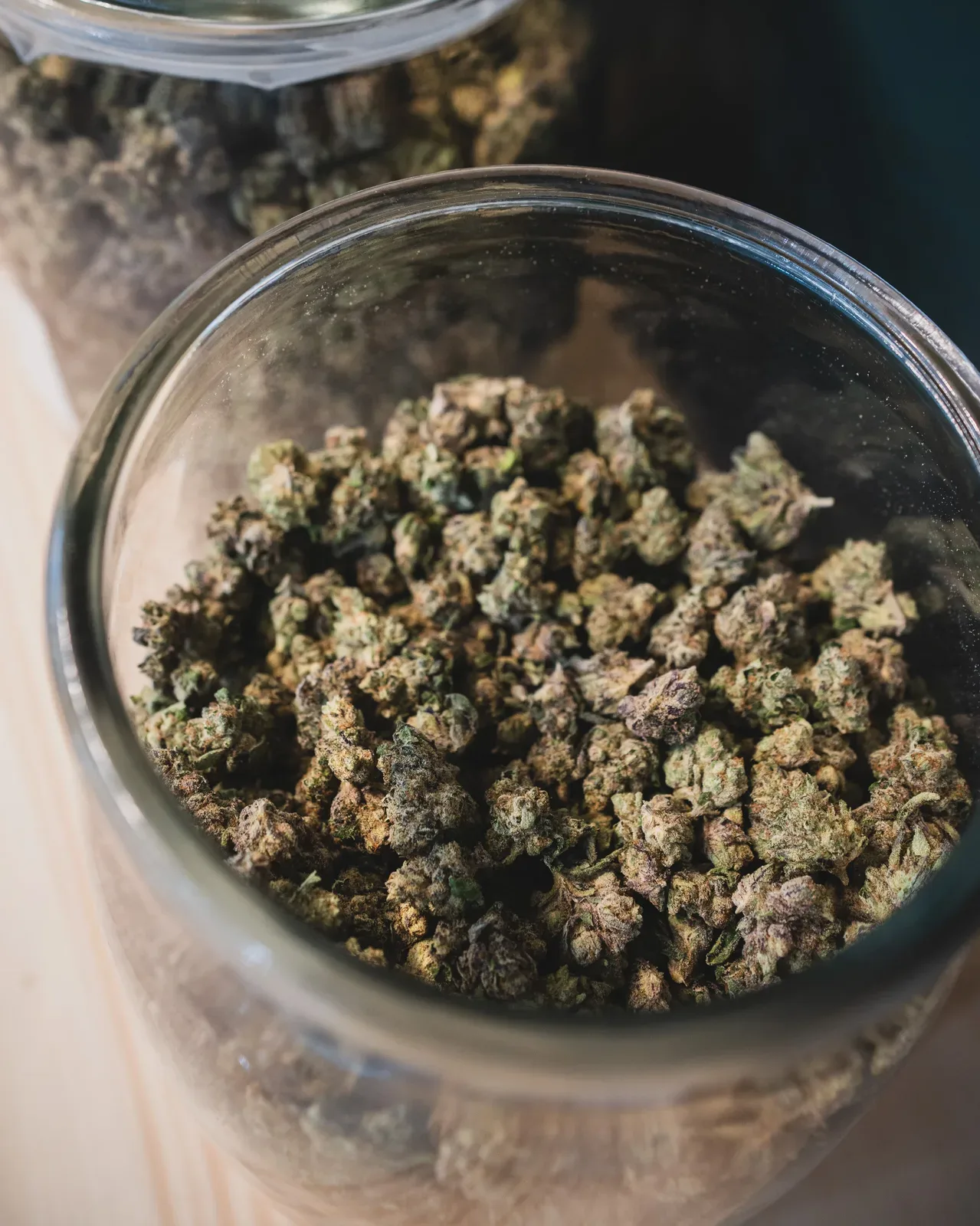
Flower — The dried buds of the cannabis plant. What most people picture when they think of cannabis.
Varietal — A specific variety of cannabis plant with distinct characteristics. You might hear "strain" used interchangeably, but varietal is more accurate. Think of it like apple varieties — Honeycrisp and Granny Smith are both apples, but they taste and feel different.
Indica, Sativa, Hybrid — Traditional categories that supposedly predict effects (indica = relaxing, sativa = energizing, hybrid = mix). The reality is more nuanced — terpene profiles and individual body chemistry matter more than these labels. Use them as loose guidelines, not guarantees.
THC percentage — How much THC is in the product, expressed as a percentage. Higher doesn't mean better. It means stronger. Beginners do well starting in the 15–20% range.
Edibles — Food products infused with cannabis. Gummies, chocolates, baked goods. Effects take longer to hit but last longer.
Concentrates — Highly potent extracts like rosin, hash, or wax. Not recommended for beginners.
Tinctures — Liquid cannabis extracts, usually taken under the tongue. Allow precise dosing without smoking.
Pre-roll — A joint that's already rolled and ready to smoke.
Ways to Consume Cannabis
Each method has trade-offs. Here's what to consider:
Smoking Flower What it is: Lighting dried cannabis and inhaling the smoke, typically through a pipe, bong, or rolled joint. Onset: 1–5 minutes. Duration: 2–3 hours. Pros: Fast feedback, easy to control dose, full flavor experience. Cons: Smoke irritates lungs, distinct smell. Best for beginners? Yes — the quick onset lets you gauge effects before consuming more.
Vaporizing What it is: Heating cannabis (flower or oil cartridge) to release vapor without combustion. Onset: 1–5 minutes. Duration: 2–3 hours. Pros: Easier on lungs than smoke, more discreet, less smell. Cons: Cartridges can be potent; quality varies. Best for beginners? Flower vaporizers yes, cartridges require caution — they're concentrated.
Edibles What it is: Cannabis-infused food or drink. Onset: 45 minutes to 2 hours. Duration: 4–8 hours. Pros: No smoke, long-lasting effects, precise dosing possible. Cons: Delayed onset leads to overconsumption; effects can feel stronger. Best for beginners? Only with low doses (2.5–5mg) and patience. Most bad first experiences involve edibles.
Tinctures What it is: Liquid extract dropped under the tongue or added to food. Onset: 15–45 minutes (sublingual) or 1–2 hours (swallowed). Duration: 4–6 hours. Pros: Precise dosing, no smoke, discreet. Cons: Effects vary based on method; taste can be earthy. Best for beginners? Good option for those who want control without smoking.
Dosing: The Most Important Thing You'll Learn
Here's the phrase you'll hear everywhere: start low, go slow.
It's repeated because it's true. You can always take more. You cannot take less once it's in your system.
For Smoking or Vaping Take one small puff. Wait 15 minutes. Notice how you feel. If you want more effect, take another small puff. Repeat.
The goal isn't to get as high as possible — it's to find your comfortable level. For most beginners, that's much lower than they expect.
For Edibles Start with 2.5mg or 5mg of THC. Wait at least two hours before considering more. Yes, two hours. The most common mistake is eating more because "nothing's happening" and then having everything hit at once.
If a package says 10mg per piece, cut it in half. Or in quarters. There's no prize for finishing the whole thing.
What to Expect Your First Time
Everyone's experience differs based on the product, dose, setting, and individual body chemistry. But here are some general expectations:
Physical sensations might include relaxation, heaviness in limbs, dry mouth ("cottonmouth"), red eyes, or increased appetite ("the munchies").
Mental effects might include slowed perception of time, heightened senses, introspection, giggles, or mild euphoria.
Duration depends on consumption method. Smoking/vaping: 2–3 hours. Edibles: 4–8 hours. Plan accordingly — don't consume before you need to drive, work, or handle responsibilities.
Set and setting matter. Your environment and mindset influence the experience. First time? Choose somewhere comfortable and familiar, ideally with someone you trust. Skip the crowded party or unfamiliar place.
You might not feel much the first time. Some people don't. That's normal. Don't compensate by taking more — just try again another day with slightly more.
Signs You've Had Enough vs. Too Much
Comfortable range: Feeling relaxed and present. Mild euphoria or contentment. Enhanced sensory experiences (music sounds richer, food tastes better). Slight heaviness in the body.
Too much: Anxiety or racing thoughts. Paranoia. Dizziness or nausea. Feeling disconnected or confused. Rapid heartbeat.
If you overdo it: Find a comfortable spot, drink water, eat something, and wait. It will pass. CBD can help moderate THC effects if available. No one has ever died from cannabis overconsumption.
A Few Ground Rules
Don't drive. Cannabis impairs reaction time and judgment. Arrange transportation beforehand.
Don't mix with alcohol your first time. The combination intensifies effects unpredictably.
Stay hydrated. Have water nearby. Dry mouth is real.
Have snacks available. Hunger may strike.
Clear your schedule. Don't plan anything demanding for several hours after consuming.
Tell someone. If you're trying cannabis for the first time, let a trusted person know — ideally someone who can check in on you.
You're Ready
Cannabis isn't complicated once you understand the basics. Start small. Pay attention to how you feel. Give yourself permission to go slowly.
If you have questions, ask them. At our dispensary in Woodstock, we talk with beginners every day. There's nothing you could ask that would surprise us, and we'd rather you feel informed than uncertain.
Take your time. There's no rush.
Sunkissed Farm is at 4374 West Woodstock Road in Woodstock, Vermont. Open seven days a week. Questions? hello@sunkissed.farm or 802-222-6920.
Frequently Asked Questions
Will I get addicted?
Cannabis can be habit-forming for some people, but physical addiction is rare compared to substances like alcohol or opioids. Most adults who try cannabis do not develop problematic use. That said, know yourself and your tendencies.
How long does cannabis stay in your system?
For drug tests, THC can be detected for days to weeks depending on frequency of use and the test type. Occasional users typically clear within a week; regular users may take a month or more.
Can I overdose?
Not fatally — no one has ever died from cannabis alone. But you can absolutely consume too much and feel terrible for several hours. This is why dosing matters.
Is cannabis legal in Vermont?
Yes, for adults 21 and older. You can possess up to one ounce and purchase from licensed dispensaries. Consumption must be on private property with the property owner's permission.
What if I don't like it?
That's completely valid. Cannabis isn't for everyone. If your first experience isn't enjoyable, you can try a different varietal, method, or dose — or decide it's not for you. No judgment either way.