Vermont's Connecticut River Valley soil, temperature swings, and full-spectrum sunlight create cannabis terpene profiles that indoor cultivation can't replicate. Here's the science of place.
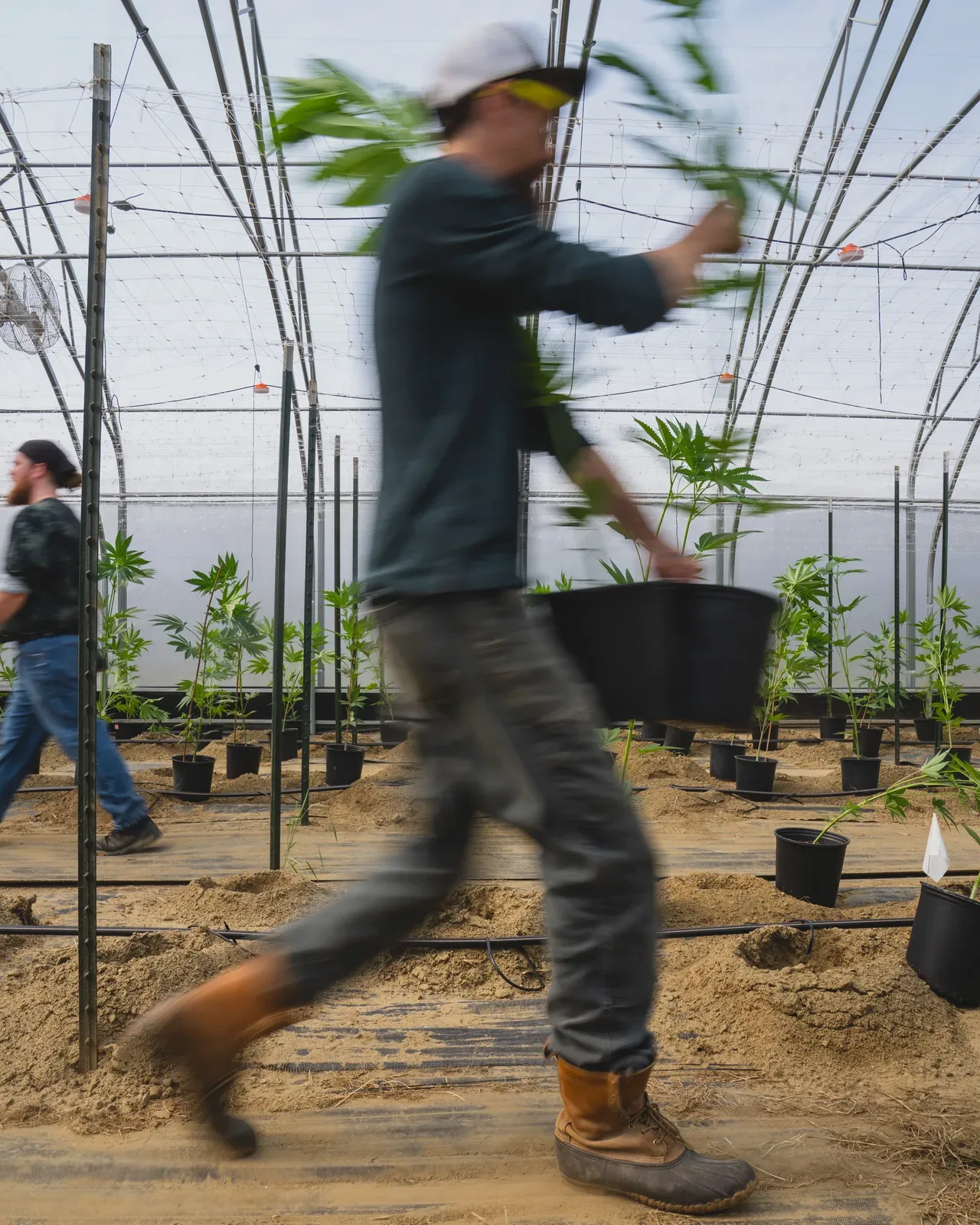
Terroir is the reason a Burgundy Pinot Noir tastes nothing like an Oregon one grown from the same vine. It's why Cabot cheddar doesn't taste like Wisconsin cheddar, and why Grade A maple syrup from the Connecticut River Valley carries flavor notes distinct from syrup tapped fifty miles north.
The French word — pronounced tehr-WAHR — describes the complete set of environmental conditions that shape an agricultural product: soil composition, regional climate, elevation, sun exposure, precipitation patterns, and the microbial communities living in the ground. It's not mysticism. It's measurable chemistry, and it applies to cannabis just as directly as it applies to wine or cheese.
For cultivators working Vermont's Connecticut River floodplain, terroir isn't a marketing concept. It's the reason our flower expresses differently than genetically identical plants grown in a warehouse fifty miles away.
What Terroir Actually Means for Cannabis
In wine, terroir determines whether the same Cabernet Sauvignon grape produces a mineral-driven Bordeaux or a fruit-forward Napa Valley red. The mechanism is well understood: soil mineral content, sun exposure angles, temperature fluctuations, and rainfall timing all influence the plant's secondary metabolite production — the compounds responsible for aroma, flavor, and the chemical complexity that separates interesting wine from merely functional alcohol.
Cannabis works the same way. The plant's terpene and cannabinoid profiles — the compounds that determine how a particular varietal smells, tastes, and feels — respond directly to environmental conditions. A 2023 study from Columbia University's Department of Chemistry demonstrated this conclusively. Researchers grew genetically identical plants from two varietals under natural sunlight and under artificial indoor lighting. The outdoor samples produced significantly richer terpene profiles, including higher concentrations of β-caryophyllene, α-humulene, limonene, and myrcene. Some terpenes appeared only in the sun-grown flowers.
The same genetics. Different environments. Measurably different chemistry.
This is terroir at work. And it means the specific place where cannabis grows — the soil it roots in, the sun it absorbs, the temperature swings it endures — becomes part of the product itself.
What Vermont's Climate Does to Cannabis
Vermont's growing conditions create specific stresses and advantages that shape flower character in ways other regions don't replicate.
Temperature differential. Vermont summers produce warm days — frequently reaching the high 80s in the Connecticut River Valley — followed by nights that drop into the 50s and low 60s. This daily temperature swing of 20 to 30 degrees is a significant plant stressor. Cannabis responds to thermal stress by increasing production of secondary metabolites, including terpenes and minor cannabinoids. The same mechanism explains why high-altitude vineyards produce more intensely flavored grapes — the plant concentrates defensive chemistry when conditions challenge it.
Full-spectrum solar radiation. Vermont's latitude (approximately 43.5°N) produces long summer days — over 15 hours of daylight at the solstice — with sun angles that deliver intense UV-B radiation during the critical June-through-August vegetative period. Research has established that UV-B exposure stimulates trichome production and increases cannabinoid concentration as a photoprotective response. Indoor lighting, regardless of wattage, cannot replicate the full solar spectrum that drives this chemistry.
Soil biology. The Connecticut River floodplain has accumulated centuries of alluvial deposits — mineral-rich sediment carried downstream from the Green Mountains. Farms in this valley, including land that has been under continuous cultivation since 1805, benefit from soil profiles that took geological time to build. Living soil systems — where cultivators maintain active fungal and bacterial communities rather than relying on synthetic nutrients — allow plants to access this mineral complexity through mycorrhizal networks. The resulting uptake affects terpene expression in ways that hydroponic or synthetic media cannot replicate.
Compressed flowering window. Vermont's growing season runs roughly late May through early October, with the critical flowering period concentrated in August and September. This compression — combined with the state's USDA hardiness zones of 4a to 5b — means cultivators select for varietals with natural mold resistance and quick flowering characteristics. The result is a curated genetic palette adapted to northern conditions rather than the broad genetic libraries available to year-round indoor operations. Constraint, in this case, creates specificity.
Humidity and natural pest dynamics. Vermont's cold winters eliminate many pest populations that persist year-round in warmer climates, reducing the need for pesticide intervention. The state's relatively clean air and water — a product of low industrial density and strong environmental regulations — provide a growing environment that translates directly into flower purity.
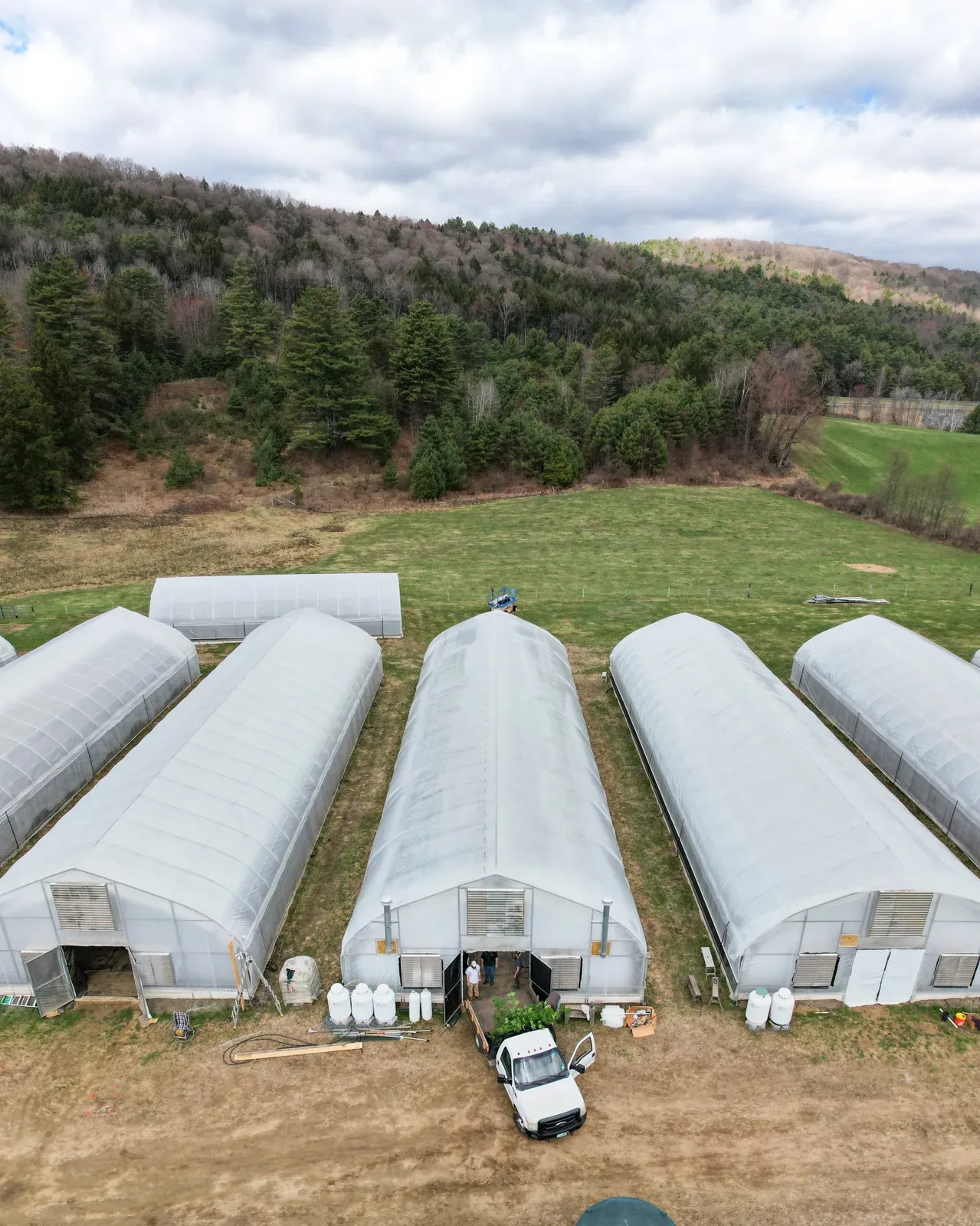
Why Indoor Cultivation Can't Replicate Terroir
Indoor operations control every variable — light spectrum, temperature, humidity, nutrient delivery. That control produces visual consistency. But it also eliminates the environmental stresses that drive complex chemistry.
The Columbia University research found that indoor samples contained significantly more oxidized and degraded cannabinoids than outdoor samples. The researchers proposed a mechanism: terpenes function as antioxidants within the plant. When indoor conditions suppress terpene production, cannabinoids lose their protective "oxidation shield" and degrade faster. Outdoor cultivation's richer terpene expression doesn't just affect flavor — it preserves cannabinoid integrity.
This is the fundamental terroir argument. A cannabis plant grown in living Vermont soil, under full-spectrum sunlight, through 20-degree temperature swings, expresses chemistry that no amount of environmental engineering can reproduce indoors. The product carries its origin in its molecular structure.
Cannabis Terroir Is Becoming Legally Recognized
California's Cannabis Appellations Program, which took effect in January 2022, allows cultivators to designate products by geographic origin — similar to how wine uses Champagne, Napa Valley, or Willamette Valley designations. The law requires appellation-designated cannabis be grown in the ground, under full sun, without artificial lights after flowering. Indoor cultivators attempted but failed to be included. The distinction matters: appellations protect genuine terroir expression, not just geographic location.
Vermont's own regulatory framework supports terroir-driven cultivation. The Cannabis Control Board treats outdoor cultivation as traditional farming and grants it unique legal protections — licensed outdoor operations are "regulated in the same manner as 'farming' and not as 'development' for permitting purposes." A May 2025 Vermont Supreme Court ruling narrowed this exemption's scope, but the state's legislative intent — protecting small outdoor cultivators as agricultural operators — remains embedded in the licensing framework. The state's licensing structure favors small-scale operations, with Tier 1 outdoor licenses covering up to 1,000 square feet at $750 annually.
This regulatory philosophy connects to a broader agricultural identity. Vermont already protects geographic specificity in maple syrup production and has a long tradition of terroir-conscious cheesemaking — Jasper Hill Farm's Harbison, aged in Greensboro caves, is a different product than any cheese made from the same recipe elsewhere. Cannabis is the newest expression of this principle.
From Maple and Cheddar to Cannabis
Vermont's artisanal reputation wasn't built by accident. It emerged from specific conditions — northern climate, small-farm economics, and a culture that values craft over scale.
The same factors now shape the state's cannabis industry. Sun+Earth Certified — the nonprofit regenerative organic standard for cannabis — certified its first East Coast farm in Vermont when Rebel Grown in the Northeast Kingdom met the program's requirements for sun cultivation, living soil, and fair labor practices.
The parallel to Vermont's other agricultural traditions is structural, not just rhetorical. Maple syrup producers understand that sugar content varies by microclimate, soil conditions, and the specific stand of trees being tapped. Cheesemakers know that pasture composition affects milk character. Cannabis cultivators working the Connecticut River Valley are making the same observation: place shapes product.
How to Taste Terroir in Cannabis
For consumers interested in experiencing terroir-driven cannabis rather than just hearing about it, a few practical approaches help.
Ask where it was grown — not just the brand name, but the actual farm and growing method. Sun-grown flower from a specific Vermont valley carries different character than indoor flower from an anonymous warehouse.
Smell before you decide. Break a small piece of flower and inhale. Complex, layered aromas — citrus, pine, earth, spice appearing in distinct notes rather than a single dominant smell — indicate a rich terpene profile shaped by environmental conditions rather than a controlled monoculture.
Look past THC percentage. The "entourage effect" — how cannabinoids and terpenes work together — determines the actual experience more than any single potency number. A sun-grown varietal testing at 18 percent THC with complex terpenes often produces more nuanced effects than indoor flower at 25 percent with a flat terpene profile.
The wine industry took decades to educate consumers that terroir-driven bottles deserve premium recognition over industrial production. Cannabis is at the beginning of that same curve. The science supports it. The regulations are starting to codify it. And the flower — grown in Vermont soil, under Vermont sun — speaks for itself.
Resources
Frequently Asked Questions
What is terroir and how does it apply to cannabis?
Terroir is the complete set of environmental conditions that shape an agricultural product — soil composition, climate, elevation, sun exposure, and microbial communities in the ground. The same concept that explains why a Burgundy Pinot Noir tastes different from an Oregon one applies directly to cannabis. A 2023 Columbia University study demonstrated that genetically identical cannabis plants grown in different environments produce measurably different terpene and cannabinoid profiles.
What makes Vermont's climate particularly suited to cannabis cultivation?
Vermont's Connecticut River Valley produces warm summer days — frequently reaching the high 80s — followed by nights that drop into the 50s and low 60s. This 20 to 30 degree daily temperature swing is a significant plant stressor that triggers increased production of terpenes and minor cannabinoids, the same mechanism that makes high-altitude vineyard grapes more intensely flavored. Vermont's full-spectrum sunlight and the Connecticut River Valley's alluvial soils add further layers of environmental influence.
Can indoor cultivation replicate Vermont terroir?
No. Indoor growing controls temperature, humidity, and light spectrum, which produces consistency — but consistency means removing the environmental variability that creates distinctive flavor and terpene profiles. The Columbia study grew genetically identical plants indoors and outdoors and found measurably different chemistry. The same genetics in a different environment produces a different product. That difference is terroir.
Does soil composition affect cannabis terpene profiles?
Yes. Connecticut River Valley floodplain soils are alluvial — deposited over centuries by river activity — and tend toward silty loam with good drainage and mineral density. Soil mineral content directly influences which secondary metabolites a cannabis plant produces. The microbial communities living in the soil further shape nutrient availability and plant chemistry in ways that synthetic growing media don't replicate.
Is terroir a marketing concept or real measurable science?
It's measurable chemistry. The terpene and cannabinoid profiles of cannabis plants respond directly to environmental conditions including light spectrum, temperature differential, soil composition, and elevation. These compounds are quantifiable through laboratory testing. The difference between a Vermont sun-grown varietal and a genetically identical indoor plant isn't marketing language — it shows up in Certificate of Analysis results.
How does Vermont terroir compare to cannabis grown in other states?
Vermont's combination of factors — short growing season, high light intensity, significant temperature swings, alluvial river valley soils, and low industrial air pollution — creates specific stresses that tend to concentrate terpene and minor cannabinoid production. Cannabis from California's Central Valley or indoor facilities in Colorado is grown in fundamentally different conditions. The resulting chemistry reflects those differences, the same way Vermont maple syrup carries flavor notes distinct from syrup produced fifty miles north.