Cannabis terpenes like myrcene, limonene, and pinene shape your experience more than THC percentage. Here's what the research says about these aromatic compounds.
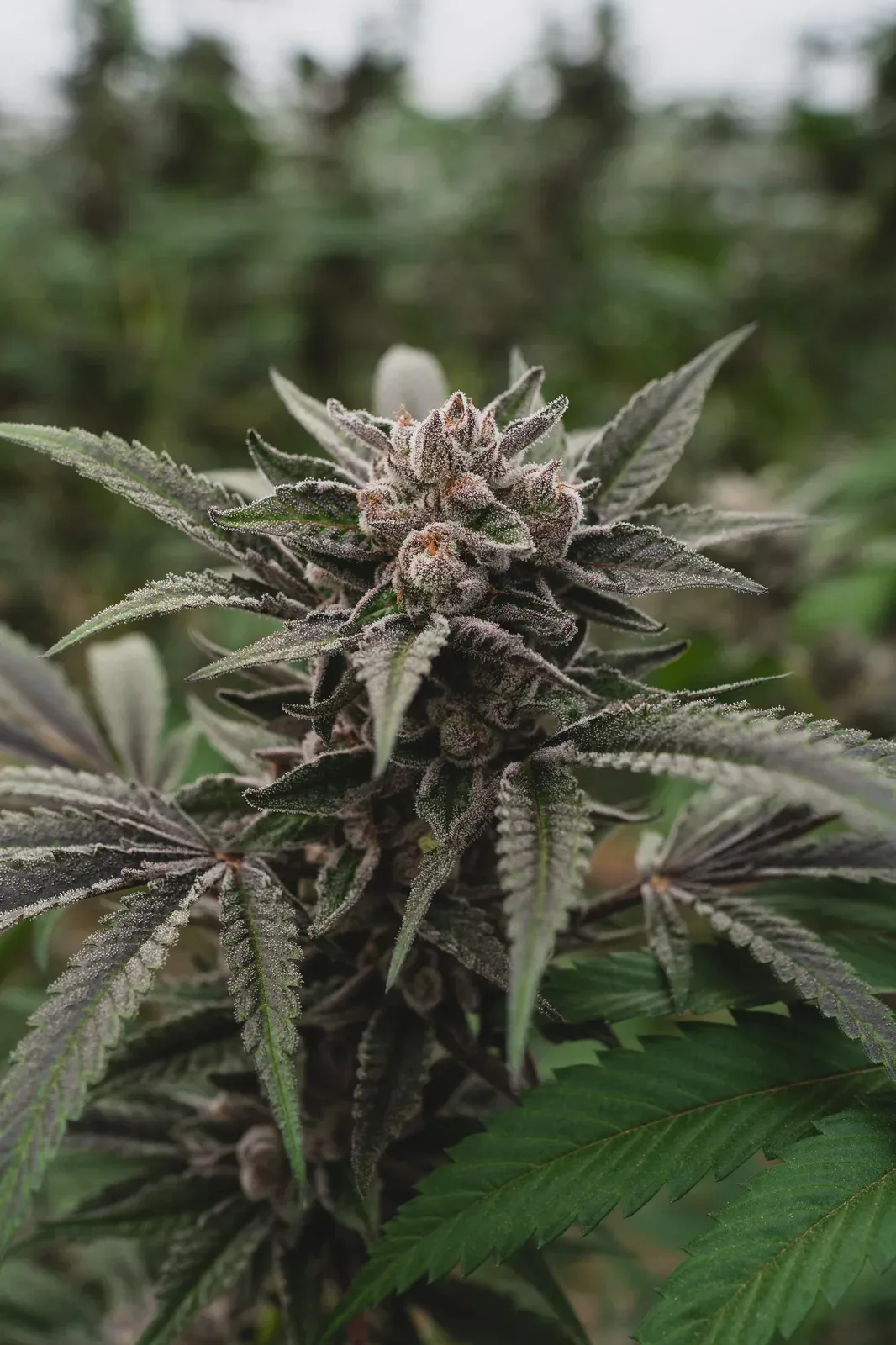
What Are Terpenes in Cannabis?
Terpenes are aromatic compounds produced by cannabis flowers — the same class of molecules responsible for the scent of pine forests, lavender fields, and citrus groves. They are not unique to cannabis. Over 30,000 terpenes exist across the plant kingdom, and cannabis produces more than 200 of them.
Here is the honest answer most guides skip: terpenes do far more than create aroma. They are pharmacologically active compounds that interact with your nervous system, modulate how cannabinoids like THC affect you, and — according to a growing body of peer-reviewed research — predict your experience more reliably than THC percentage alone.
When you smell a jar of cannabis at a dispensary and notice citrus, pepper, or pine, you are detecting terpenes. That nose is not decorative. It is information — a direct signal about how that flower will make you feel.
The Major Cannabis Terpenes and Their Effects
Cannabis produces dozens of terpenes, but eight appear most frequently and carry the strongest research behind their effects. Understanding these eight gives you a working vocabulary for choosing cannabis by how it will actually affect you — not by a label that says "sativa" or "indica."
Myrcene — the most abundant terpene in modern cannabis, present in more than half of all commercial varietals. It smells earthy and musky, with undertones of clove and ripe fruit. You know it from hops, lemongrass, and mangos. Research documents anxiolytic, anti-inflammatory, and analgesic properties. When myrcene dominates a terpene profile, expect relaxation and body-centered calm. It is the terpene most associated with the "couch effect" — and it is the reason two varietals with identical THC can feel dramatically different.
Limonene — bright and citrusy, found abundantly in lemon rind, orange peel, and juniper. A 2024 Johns Hopkins and University of Colorado clinical study found that d-limonene significantly reduced THC-induced anxiety in a double-blind, placebo-controlled trial with healthy adults. The reductions in anxious and paranoid feelings were dose-dependent. Limonene-dominant varietals tend toward mood elevation and mental clarity — the terpene you reach for when you want energy and focus without sedation.
Alpha-Pinene — the most common terpene in the natural world. Pine needles, rosemary, basil. It smells exactly like walking through a conifer forest. Pinene inhibits acetylcholinesterase — the enzyme that breaks down the neurotransmitter responsible for memory and alertness. A 2023 study published in Neurotoxicology found that alpha-pinene provides significant neuroprotective effects by directly inhibiting amyloid-beta fibril aggregation. Pinene-forward varietals tend to promote mental sharpness rather than fog.
Beta-Caryophyllene — peppery and warm, present in black pepper, cloves, and cinnamon. Here is what makes caryophyllene remarkable: it is the only terpene that directly activates CB2 cannabinoid receptors in your body, making it functionally a dietary cannabinoid. A 2024 University of Arizona study published in PAIN found beta-caryophyllene as effective as morphine for chronic neuropathic pain relief through CB2 receptor activation — with zero reward liability. When you detect pepper on the nose of a cannabis flower, you are detecting a compound with genuine anti-inflammatory capability.
Linalool — lavender, floral, slightly spicy. Present in over 200 plant species, it is the dominant compound in lavender essential oil. Research consistently documents sedative and anxiolytic properties. Linalool-rich varietals are the ones most associated with better sleep and evening relaxation. If myrcene is the body terpene, linalool is the nervous system terpene — it calms the mind specifically.
Terpinolene — the wild card. Piney, floral, herbaceous, slightly citrusy. Found in lilacs, tea tree, nutmeg, and apples. Terpinolene appears in a small percentage of cannabis varietals, but the ones it dominates tend to produce paradoxically uplifting, creative effects despite being chemically classified alongside sedative monoterpenes. At Sunkissed Farm, our Tropical Smoothie varietal is terpinolene-dominant — it is consistently reported as energizing and creatively stimulating.
Alpha-Humulene — earthy, woody, hoppy. The terpene responsible for the distinctive aroma of hops and, by extension, beer. A 2024 Imperial College London scoping review covering 340 studies found promising pre-clinical evidence for humulene's anti-inflammatory, analgesic, and antimicrobial effects. The same University of Arizona study that examined caryophyllene found humulene equally effective for neuropathic pain.
Ocimene — sweet, floral, herbaceous with citrus undertones. Present in basil, mango, mint, and thyme. Less studied than the others, but research documents notable antiviral and anti-inflammatory properties. Ocimene-dominant varietals tend toward uplifting, cerebral effects rather than sedation.
Why Terpenes Matter More Than THC Percentage
This is the part most cannabis education skips, and it is arguably the most important thing a consumer can understand.
THC percentage tells you the maximum potency ceiling of a cannabis flower. It tells you nothing about the character of the experience. A 15% THC varietal with a rich terpene profile featuring limonene and pinene can produce a more focused, enjoyable experience than a 25% THC varietal with a flat terpene profile.
Think of it this way: THC is the engine. Terpenes are the steering wheel. Without terpenes, THC delivers raw potency with no direction. With them, the same potency is shaped into something specific — relaxing or energizing, creative or contemplative, body-focused or cerebral.
The research supports this directly. A University of Arizona study found that cannabis terpenes alone produced cannabinoid-like effects in animal models, and when combined with cannabinoids created additive therapeutic effects. The specific terpenes present determined the character of those effects — not the dose of cannabinoid.
Vermont's cannabis labels increasingly include terpene profiles alongside THC and CBD percentages. This is not marketing decoration. It is the most useful information on the package for predicting your experience.
The Entourage Effect — How Terpenes and Cannabinoids Work Together
In 2011, neurologist Ethan Russo published a landmark paper in the British Journal of Pharmacology proposing that cannabis compounds work synergistically — that the therapeutic and experiential effects of the plant emerge from the interaction between cannabinoids and terpenes, not from any single molecule in isolation. He called this the entourage effect.
The concept was initially met with skepticism. Thirteen years later, clinical evidence is catching up to the theory.
The 2024 Johns Hopkins study on limonene and THC represents one of the first human clinical trials demonstrating a specific terpene-cannabinoid interaction: d-limonene selectively reduced the anxiety caused by THC without diminishing its other effects. This is not a vague claim about "whole plant medicine." It is a measured, dose-dependent interaction between two specific compounds.
A 2024 systematic review published in Pharmaceuticals examined the full body of entourage effect research and concluded that while the mechanism is not yet fully mapped, the evidence for terpene-cannabinoid interaction is substantial enough to guide both research and consumer choice.
What this means practically: when you choose cannabis by its terpene profile rather than its THC number, you are working with the plant's own chemistry instead of against it. The terroir that shapes a flower's terpene expression — soil, climate, light — is not incidental to quality. It is the quality.
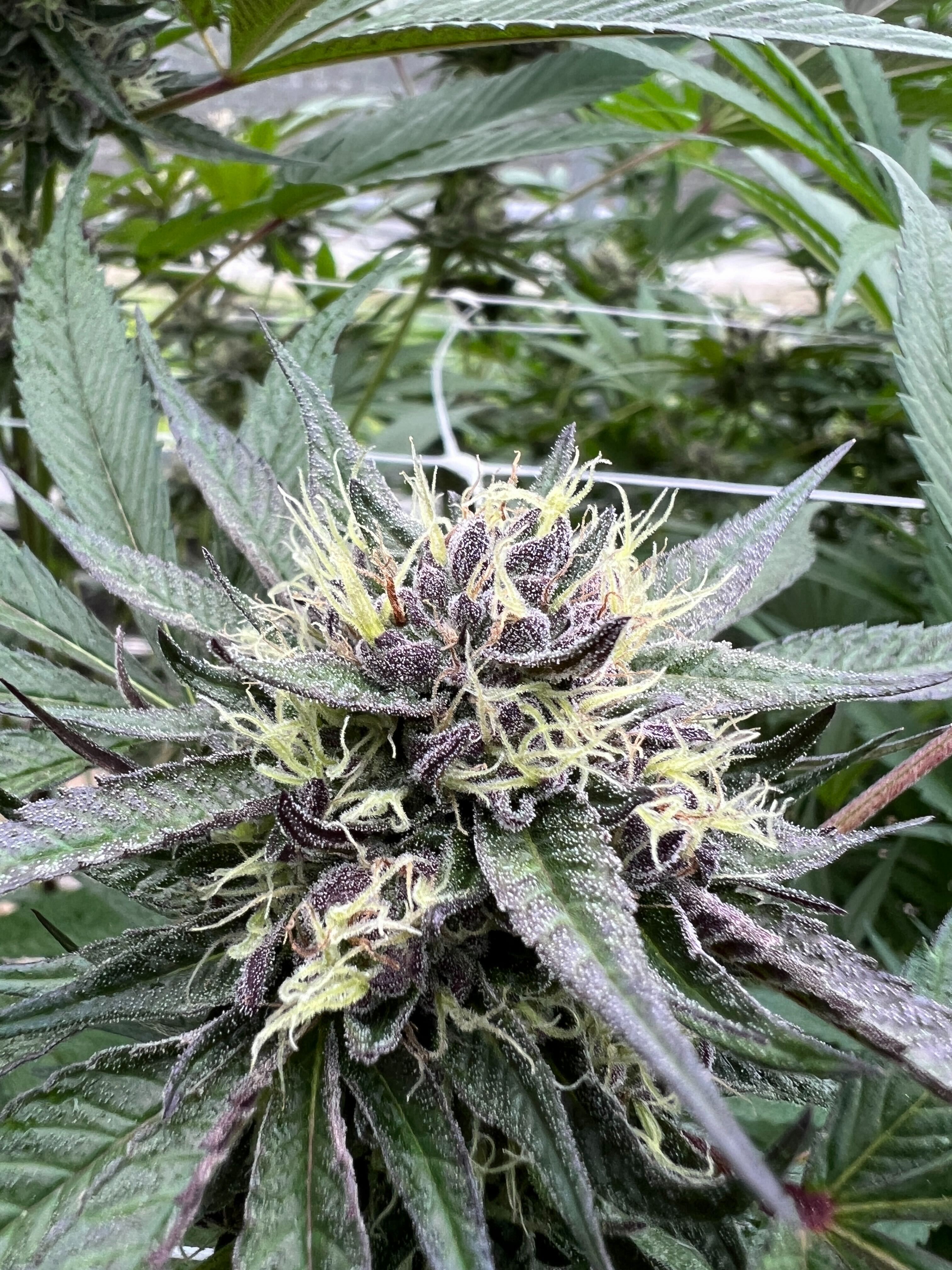
How Sun-Grown Cannabis Develops Richer Terpene Profiles
A 2023 Columbia University study published in Molecules compared genetically identical cannabis plants grown outdoors in natural sunlight and living soil against the same genetics grown indoors under LED lighting in synthetic medium. The results were unambiguous.
Sun-grown samples had significantly greater diversity and quantity of terpenes across both cultivars tested. Limonene, myrcene, caryophyllene, humulene, and several rarer terpenes were all present at markedly higher concentrations in the outdoor plants. The sun-grown flower also showed fewer degraded cannabinoids — meaning the compounds arrived at harvest in better condition.
This is not surprising when you understand how terpenes function in the plant. They are defense compounds — produced in response to UV radiation, temperature fluctuation, pest pressure, and microbial interaction in the soil. A cannabis plant growing in Vermont's Connecticut River floodplain, experiencing genuine weather, real sunlight, and centuries-old living soil, is triggering defense responses that an indoor plant under static LED lighting simply does not experience.
The parallel to wine is direct. Grapes grown in challenging terroir — steep slopes, mineral-rich soil, genuine seasons — produce more complex flavor compounds than hothouse grapes. Cannabis works the same way. The sun-grown advantage is not marketing. It is biochemistry.
At Sunkissed Farm, our 29 acres in Windsor sit on Connecticut River floodplain soil that has supported crops since 1805. Every plant grows from seed in living soil under Vermont's full-spectrum sunlight. The terpene profiles that result — the reason our flower smells the way it does — are a direct expression of that land and that light.
Reading Terpene Profiles on Vermont Cannabis Labels
Vermont's Cannabis Control Board requires testing for potency, pathogens, pesticides, and heavy metals. Terpene profiles are not yet mandatory on every label, but an increasing number of Vermont producers — Sunkissed Farm included — provide them voluntarily because they are the most useful consumer information available.
Here is how to read what you see.
Total terpene content typically ranges from 2% to 4% in quality flower. Below 1%, the flower will smell and taste muted. Above 3%, expect rich, defined aroma and pronounced effects shaped by the specific terpenes present.
Dominant terpene is the one listed first or at the highest percentage. This is the primary driver of the experience profile. A flower listing myrcene at 1.2% will lean relaxing. One listing limonene at 0.9% will lean uplifting. One listing caryophyllene at 0.7% will lean toward anti-inflammatory body effects.
The ratio matters more than any single number. A balanced profile with three or four terpenes in the 0.4%-0.8% range tends to produce a smoother, more layered experience than a profile dominated by a single terpene at high concentration.
Vermont's terpene regulations are specific: cannabis products intended for inhalation cannot contain more than 10% terpenes by weight unless those terpenes occur naturally through the production process. Any terpenes added to a product must be cannabis-occurring compounds, and concentrated added terpenes must be disclosed on the label. This protects consumers from synthetic botanical terpenes that some out-of-state producers use to mimic natural aroma.
When you visit a dispensary and a budtender shows you a terpene profile, you now know what you are looking at. The numbers tell you more about how that flower will feel than the THC percentage ever could.
Terpene Stability — What Affects the Compounds After Harvest
Terpenes are volatile compounds, which means they degrade over time and under certain conditions. A 2025 study published in Phytochemical Analysis examined terpene stability in cannabis flower and confirmed what experienced consumers already suspect: how cannabis is stored after harvest significantly affects the terpene profile you actually experience.
Heat, light, and oxygen are the primary degradation pathways. This is why proper cannabis storage matters — and why harvest dates on Vermont labels, required under Act 56, are useful information. Fresher flower retains more of its original terpene expression.
At Sunkissed Farm, our slow-cure process and boutique jar packaging are designed specifically to preserve the terpene profiles our living soil and Vermont sunlight create. The aroma you detect when you open the jar is the full expression of that flower's terroir.
What This Means for Choosing Cannabis
Let's be direct about practical application.
If you want relaxation and sleep support, look for profiles dominated by myrcene and linalool. These are the terpenes most associated with body relaxation and nervous system calming.
If you want energy, focus, or creative stimulation, look for limonene, pinene, or terpinolene as the dominant terpene. These produce alertness and mental clarity rather than sedation.
If you are managing inflammation or chronic discomfort, caryophyllene is the terpene with the strongest direct evidence — it activates the same CB2 receptors that cannabinoids target.
If you are new to cannabis, the Beginners Guide covers consumption methods and dosing. Terpene knowledge adds a second layer: once you know how much to take, terpenes help you choose what to take.
Stop by the farm stand at 4374 West Woodstock Road in Woodstock sometime. Smell before you buy. The nose knows more than the numbers.
Resources
Frequently Asked Questions
Are terpenes safe?
Terpenes are naturally occurring compounds found in thousands of plants, fruits, and herbs. You consume them every time you eat a mango, smell a pine tree, or season food with black pepper. In cannabis, terpenes are present at concentrations between 1% and 4% — well within naturally occurring ranges. Vermont's Cannabis Control Board caps added terpenes at 10% by weight for inhalable products and requires that all added terpenes be cannabis-occurring compounds. At natural concentrations in whole flower, terpenes have an extensive safety profile documented across decades of food science and aromatherapy research.
Do terpenes get you high?
Terpenes do not produce intoxication on their own. However, they modulate how THC and other cannabinoids affect you — amplifying certain effects and dampening others. A 2024 Johns Hopkins clinical study showed that d-limonene specifically reduced THC-induced anxiety without diminishing other THC effects. The research suggests terpenes shape and direct the experience rather than creating it independently.
Why does the same varietal smell different from different farms?
Because terpene expression is shaped by growing conditions — what the wine world calls terroir. The same genetics grown in Vermont living soil under natural sunlight will produce a different terpene profile than the same genetics grown indoors under LED lighting in synthetic medium. Columbia University's 2023 study confirmed this directly: genetically identical plants produced significantly richer and more diverse terpene profiles when grown outdoors. Soil microbiome, UV exposure, temperature fluctuation, and humidity all influence which terpenes a plant produces and in what concentration.
How do I know which terpenes are in a specific product?
In Vermont, look for a Certificate of Analysis (COA) or terpene profile on the label or packaging. Not all products list terpenes yet, but producers committed to transparency — including Sunkissed Farm — provide this information. You can also ask your budtender for terpene data from the most recent batch test. If a product does not disclose its terpene profile, the nose test at a dispensary that lets you smell flower before purchasing is your best guide.
Are terpenes the same as essential oils?
Essential oils are concentrated extracts that contain terpenes along with other plant compounds. Terpenes are the individual molecules within those extracts. When you smell lavender essential oil, you are primarily detecting linalool — the dominant terpene in lavender. In cannabis, terpenes occur naturally in the flower's trichomes alongside cannabinoids, and they are expressed in their natural ratios rather than concentrated through extraction.
Can I choose cannabis by terpene profile instead of sativa/indica labels?
Yes — and the science suggests you should. The sativa/indica distinction describes plant morphology (how the plant grows), not chemistry or effects. Two varietals both labeled "indica" can have completely different terpene profiles and produce very different experiences. Choosing by terpene profile — myrcene for relaxation, limonene for uplift, caryophyllene for inflammation — targets the actual compounds that shape your experience rather than a botanical classification that tells you almost nothing about how the flower will feel.